


Learning to Go With the Flow of Life

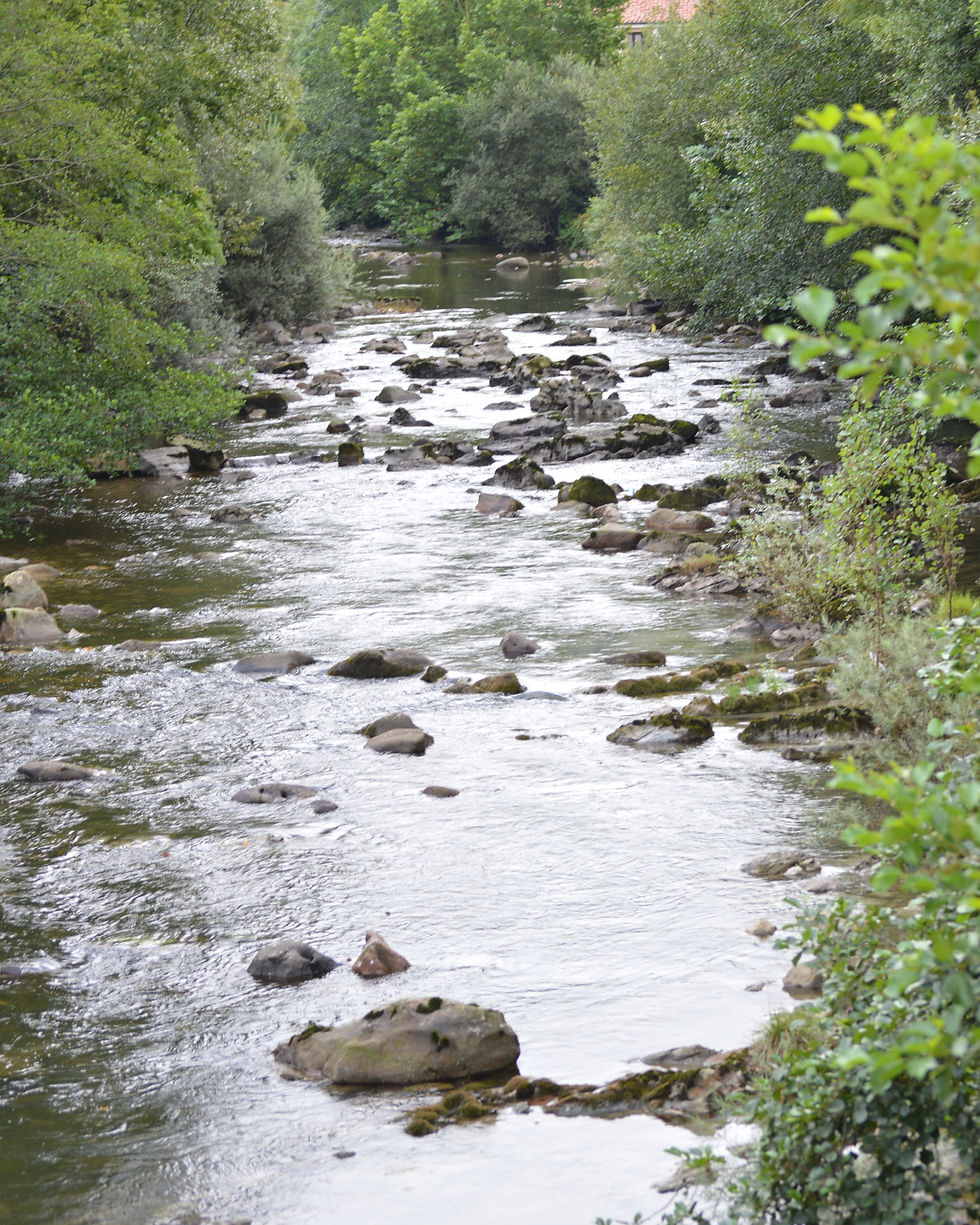
Many of us spend a great deal of energy trying to predict, control, and prepare for every possible outcome in life. We plan carefully, hold tightly to expectations, and often believe that if we just try hard enough, we can prevent discomfort, uncertainty, or disappointment. But life rarely moves in straight lines. Plans change. Relationships shift. Seasons of grief, growth, joy, and uncertainty come and go~often without warning.
Learning to “go with the flow” does not mean giving up, becoming passive, or pretending difficult emotions do not exist. In therapy, it often means learning how to respond to life with greater flexibility, self-compassion, and trust in our ability to cope.
When we resist every unexpected turn, we can become emotionally exhausted. Anxiety often grows in the space between what is happening and what we believe should be happening. The more tightly we grip control, the harder it can feel when life inevitably moves differently than we imagined.
Going with the flow is about practicing acceptance without surrendering your values or goals. It means allowing yourself to adapt rather than break under pressure. It may look like:
* Letting go of timelines that no longer fit your life
* Allowing emotions to move through you instead of fighting them
* Adjusting expectations during stressful seasons
* Trusting that uncertainty does not always mean danger
* Staying present instead of constantly trying to predict the future
Nature offers a powerful reminder of this. Rivers do not move in perfectly straight lines; they bend, slow, rush, and change course around obstacles. Yet they continue forward. Human healing often works in much the same way. Growth is rarely linear. Some days feel steady, while others may feel overwhelming or unclear. Both are part of the process.
Research has shown that mindfulness practices and connection with natural environments can reduce stress and improve wellbeing. Studies also suggest that spending time in nature while practicing mindfulness may enhance emotional regulation, reflection, and feelings of calm.
Therapy can help create space to explore where rigidity, fear, or perfectionism may be keeping you stuck. Together, we can work toward building emotional resilience, increasing tolerance for uncertainty, and reconnecting with a sense of trust in yourself~even when life feels unpredictable.
You do not have to have everything figured out to keep moving forward!
1. Jorgensen, A., Sheffield, D., & Choe, E. Y. (2020). Does a natural environment enhance the effectiveness of Mindfulness-Based Stress Reduction (MBSR)? Examining the mental health and wellbeing, and nature connectedness benefits. Landscape and Urban Planning, 202, 103886. ([ScienceDirect][1])
2. Neale, C., Aspinall, P., Roe, J., et al. (2022). Features of urban green spaces associated with positive emotions, mindfulness and relaxation. Scientific Reports, 12, 20624. ([Nature][2])


Comments